- Industrial environmental effects & Fossil Fuel Dependence:
- Improved Energy Storage
- New Energy Sources
- Education
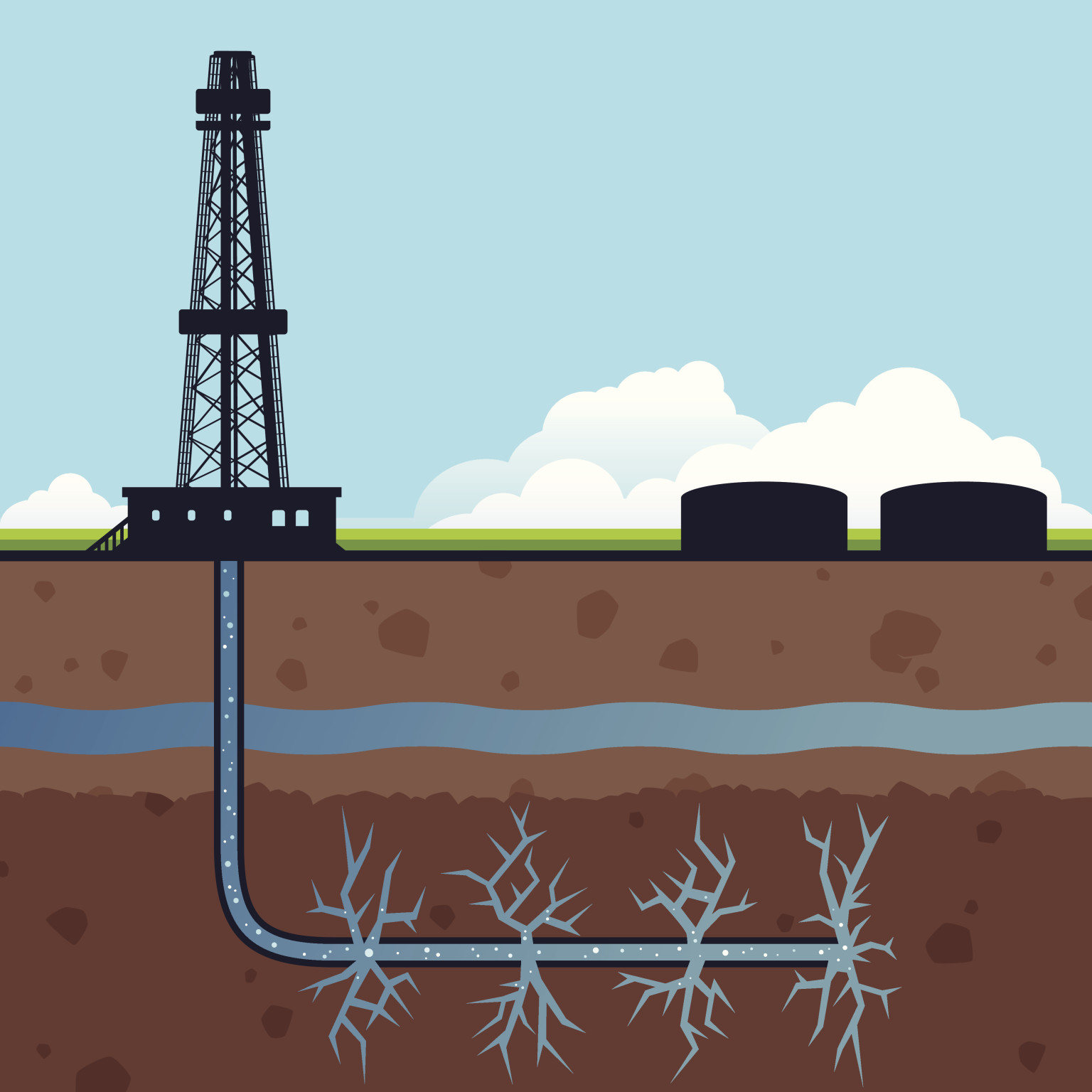
For this world problem I've combined two that were one my original list. Our dependence on fossil fuels is one of the major contributors to how industry affects the environment. These two connected issues affect the drinking water, ability to grow crops and the health of people and animals wildlife in the areas where they are prominent. based on the wide range of effect from these issues, I ranked them highest
My highest rated solutions are improved energy storage technology and energy sources. In my opinion these are the most easily implemented because there is a profit to be made in them. We will always be looking for better batteries, whether its for a phone or an electric car. As batteries improve the devices that use them can do more, whether that is a more powerful processor in a phone, or allowing an electric car to charge faster or drive further.
There is also a profit to be made in new energy sources, but there is a higher cost associated with it. Not only do these new sources have to compete with entrenched fossil fuel producers, but they have to continually redesign and update in order to progress without the benefit of having a market presence to offset the cost. Energy storage research on the other hand is being done by companies that are already in the market in order to compete with each other and the cost is part of their budgeting.
The lowest on this list education. Education is the hardest because there are people and companies with a vested financial interest in keeping fossil fuels as the primary source of energy on the planet. Those parties can promote agendas, whether they be religious, scientific, political or commercial, that align with their goals to make it harder to educate the populace. An uneducated populace is much less likely to be able to put up a united front to fix these problems.
- Crop Monocultures
- Subsidize non-monoculture farmers
- Encourage GMO producers to diversify crop strains
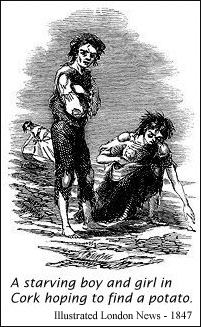
My next highest ranked problem is crop monocultures, specifically because they are a threat to the world's food supply. Especially in the age of globalization, a pest or infection can spread to large portions of the world and wipe out crops. The Potato Famine, beginning in 1845, killed over 1 million people and cause a 20% population drop in Ireland due to deaths and emigration. A similar crop failure in China today would probably kill hundreds of millions.
The simplest response to this issue is to subsidize farmers who plant different strains of whatever crop they are growing. Farmers are already subsidized in order to hep keep prices low, so nothing new infrastructure needs to be created to support it. The conditions and amount paid out for subsidies will need to be adjusted. This is by no means simple, as moving anything through a government, let alone multiple governments around the world, is complicated, but it's much simpler than the alternative.
The alternative is to encourage GMO producers to produce and sell multiple strains of seeds to farmers. The largest GMO manufacturer in the world, Monsanto, had a net income of $2.3 Billion in 2015, which was it's smallest profit in the past three years. GMO producers are very profitable, so it would probably be very expensive to convince them to put in the effort to create and/or market new strains. Their goal is profit and if this diversifying strains isn't in their interest it won't happen.
- Drug resistant bacteria:
- Use less antibiotics medically
- Use less antibiotics in livestock farming
This is another problem that relates to our food supply, but in a different way than the last one. This is not a threat to our food suppl, but a danger that is exacerbated by the way our food is produced. Between factory farming and over-proscribing antibiotics are being used far to much. This allows bacteria to develop resistances, making them harder to treat. Resistant bacteria either require more powerful antibiotics, which cause more side effects for patients, or leave doctors to try to treat symptoms and hope the patients immune system is able to fight the infection off. More drug resistant bacteria will lead to higher mortality rates for diseases that haven't been an issue in the industrialized world for decades. I don't know that there is a solution to this, but we can try to slow the trend or increase the rarity of outbreaks.
The simplest answer for this problem is for doctors to proscribe antibiotics less often. There are cases where they are necessary, but not every sickness needs a round of antibiotics. Doctors (should) know that bacteria can develop resistances, so its just a question of reminding them that it is a danger on a regular basis. Whether that reminder is in medical journals or conferences, it must be something that is priority for the medical community. If it is a priority then doctors will take more time when deciding whether a patient does or does not need a round of antibiotics before prescribing.
The second is the harder of the two. Most antibiotics in the US are used in livestock farming. This makes it easier to keep large number of animal in close quarters without them constantly getting sick and dying. Those antibiotics make their way into our meat and water supplies. Free range livestock have less need of the large amount of antibiotics that factory farms do, but it is more expensive to raise livestock that way. This would have to be a legislative action that cut or banned antibiotic use in livestock in order to work. As I've said in the analysis of another solution, moving anything through multiple governments on a worldwide scale is very difficult to do.
- Systems Security
- encryption
- "Air-gap" system architecture for sensitive systems
Much of our daily lives are in someway connected to computers whether it be electricity, money or our cars. That means that the security of those computers is of the utmost importance for the functioning of our society.
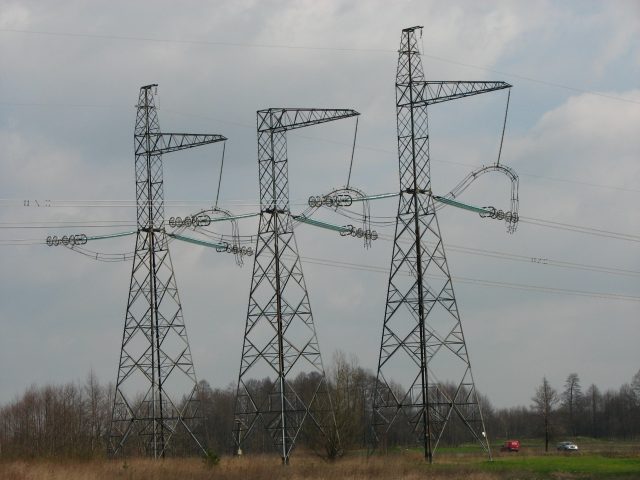
The easiest solution here is encryption. If no one can read the information on a computer they can't make changes to it. This doesn't mean that someone can't infiltrate a system, just that they wouldn't be able to read what they find there. That does not mean they cannot still cause problems with that system though. Encryption is more of a last line of defense for keeping sensitive information out of unauthorized hands than active security, but it's something that we are finding many sensitive systems still don't have. Sony Pictures was hacked last year, and lost information ranging from payroll, to scripts to executive e-mails. The Federal Office of Personnel Management was hacked last year as well, loosing the information of over 21 million people. Encryption would not have stopped either of these hacks, but it would have stopped the information that was retrieved from being usable. This is cheap and easy thing to implement, but these organizations didn't put in the effort and they have paid for it.
Harder to implement is keeping sensitive systems from being connected to outside networks, known as "air-gapping". The reason this is so hard, is because organizations want to be able to keep track of systems over distance, and the easiest way to do that is to use existing Internet infrastructure. There was an attack on the Israeli electric authority on Jan 26th, which would not have been possible if those systems were not on an open network. The reason this is hard to implement is because the options are to only have access to system that are close physically close or to lay down cable/fiber to create private networks for organizations with sensitive systems. Neither of these are convenient and laying cable/fiber is not cost effective if an organization isn't an Internet service provider.
- Banking deregulation
- re-instate Glass-Steagall Act
- Break up large banks
Banking deregulation is a major issue in the US and because of how connect the world economy is, this causes problems for the rest of the world as well. Banks are for profit enterprises, and therefore seek new ways to make profits. The problem is that the US has been removing regulation from banks since the 90's and it resulted in banks being very risky, culminating in the housing crisis and Great Recession, which impacted markets around the world.
Neither of these solutions are easy as they have to move through goverment, but I think these easiest is The Glass-Steagall Act being reinstated. There is already legislation there, it just has to be updated for modern banks and the risk of a similar recession is much lessened.
The next solution is to break up larger banks. This is hard because no one knows how it would effect the banks. All large banks owe and are owed money by other banks and the Federal Reserve. This was why all banks were suddenly is such trouble when one large bank started to failed. The web of debts and payments was so complex that a single large failure upset the entire system. Breaking up the banks would keep this from happening in the future but it would require untangling that web, and finding a way for the resultant smaller banks to be viable with those debt spread between them. That's before we even talk about the government action that would be required to make it happen, which would be difficult to say the least.
Neither of these solutions are easy as they have to move through goverment, but I think these easiest is The Glass-Steagall Act being reinstated. There is already legislation there, it just has to be updated for modern banks and the risk of a similar recession is much lessened.
The next solution is to break up larger banks. This is hard because no one knows how it would effect the banks. All large banks owe and are owed money by other banks and the Federal Reserve. This was why all banks were suddenly is such trouble when one large bank started to failed. The web of debts and payments was so complex that a single large failure upset the entire system. Breaking up the banks would keep this from happening in the future but it would require untangling that web, and finding a way for the resultant smaller banks to be viable with those debt spread between them. That's before we even talk about the government action that would be required to make it happen, which would be difficult to say the least.