Wednesday, March 16, 2016

Elevator Pitch No. 3


My feedback for this idea has been overwhelmingly positive, so the core of my elevator pitch has not changed much.  I've tried to change this one up a bit to make it less of an advertisement to a customer, and more of a pitch to an investor though the added statistics in the beginning.  I've started looking at competitors, like OnStar in the napkin exercises, but this video is not really the place to address that.

One suggestion that I saw was connecting the app to online stores for car parts.  That might be something to add later on, but I think that falls outside of the core functionality of the product.  This is meant to be a starting point, from which someone can either work on their car, or take it to a mechanic.  I think going from that starting point straight to "here's some stuff to buy" may open you up to some liability if those parts don't turn out to be what's needed.

Wednesday, March 9, 2016

Idea Napkin No. 2

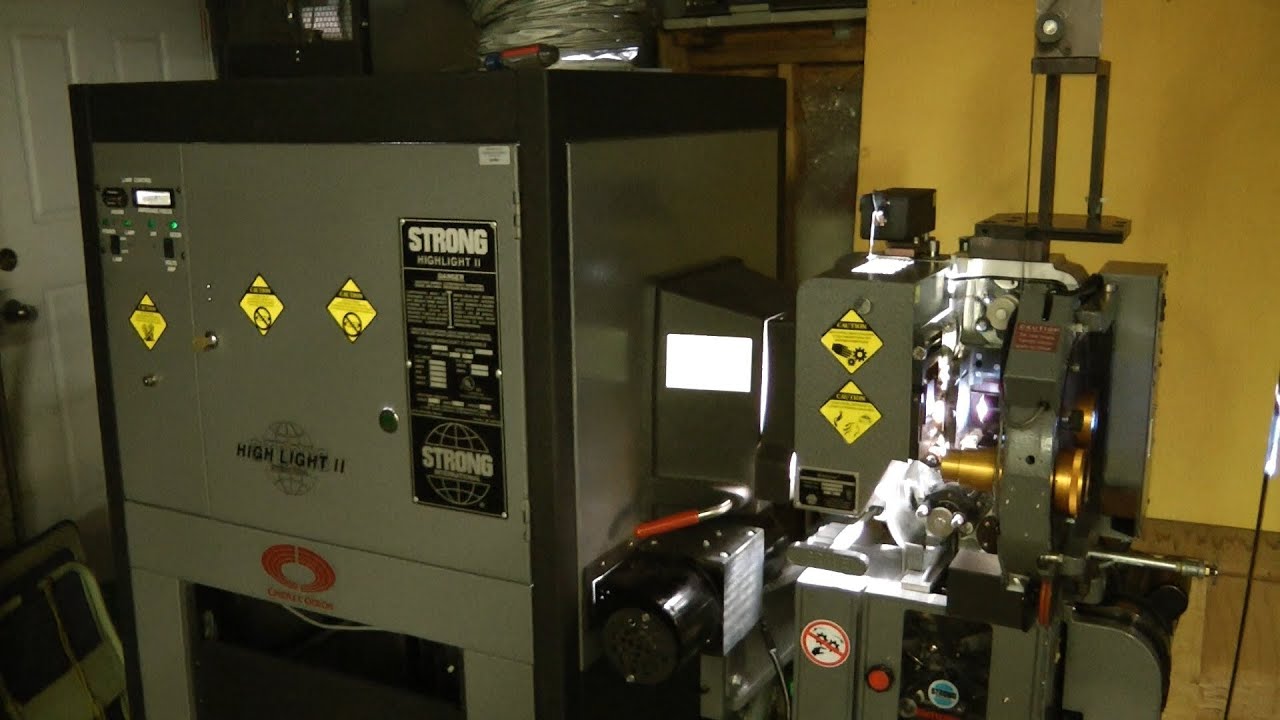
1: I am a business major, who has basic knowledge of programming and an interest in technology and how it affects the world.  One thing that I think technology should do is allow people to access to more accurate information.  For a years I was a projectionist at a movie theater.  One of the things I needed to be capable of doing was identifying problems and judging whether I could fix them and how long it would take.  Misjudging my seriousness of an issue or my own ability could result in damaged equipment or inconveniencing customers who might be waiting for a show that would never start.  For me, it is a point of pride to be able to fix things and the lack of transparency in my car bothers me.  I think that a business based on working around those limitations would be a good fit because it is something that I would be very motivated to constantly improve, because I would use it.


2: I am offering customer more complete information about their cars.  My idea, a phone app, that connects to a car through bluetooth, to read error codes and give engine status'.  This would conveniently give detailed information to the end user that they would otherwise only be able to get from a mechanic or store that specializes in car maintenance. This can help guard against unnecessary repairs or from a a serious problem going unattended due to the driver assuming it is something less serious.  I'm offering to save customers money, and give them a better idea of their car's health.  This app could also give reminders for oil changes and give up to date stats of gas economy.


3: I've said what I'm offering to the end user of this app, but it would actually have to marketed to car manufacturers.  For the app to work there must an addition to the cars on-board computer to function, so marketing to them would be the easiest way to implement this. As businesses, car manufacturers are always looking for a leg up on their competition, and that's what I'm offering them, a feature that can then be marketed to their customers.  They are the ones I would would be selling to, but to the end user this is a free feature that comes with the car.  Just like the bluetooth, that I would use to connect to the car, or keyless entry, once it starts being offered, other companies will have to adopt it as well, or be  left behind.  For the manufacturers that adopt early, I'm offering a potential sales boost.  For the later adopters I'm offering the competitiveness that they need to survive.

4: This business would be organized to sell to manufacturers, and not to the end user.  marketed correctly manufacturers would pay for compatibility, because they believe it is something that their customers want.  I believe that drivers will want this.  People are busy, and their cars are a big part of their day to day lives.  An app that lets a person know what kind of gas mileage they are getting, gives them a reminder when they need an oil change, or tells them there is a problem with their car and how serious it may be, will help them.

5: I am not a mechanic, and I am not software or hardware engineer, but I do have a basic understanding of all of these things, along with experience in managing people though.  That, I believe, would allow me to work with people who do have those abilities, and understand what the limits of what can be done and any issues that present themselves.  As I mentioned about, it was very important as a projectionist that I be able to identify and evaluate problems, and which is also a major component is managing a business.  If you cannot correctly evaluate an issue, then you will have a hard time correcting it.  I think that I am someone who has the ability to do that, which not everyone does.  That ability combined with a product that people want can go a long way towards a successful business.

In my opinion the biggest hurdle this business would have to face is getting the product into a major car brand. I think the concept is solid, but it's not something that many people who don't work on cars would put in the effort to buy and install on their own.  If they did want to install it on their own, bluetooth transmitters are generally part of a cars stereo system, so extra connections would have to be made with that system.  That extra complexity makes it harder to sell the system as a stand alone system very difficult, and is why I believe sales have to be directed toward automakers as opposed to the actual end users.


Feedback Memo

The feedback I've received has all be very positive.  As such, it seems this is a product that many people would be interested in. One of the earliest suggestions I got was about alerts and reminders for oil changes and other regular maintenance.  That is a pretty simple feature, but would probably be the most used feature of the app, and should definitely be part of the product. No one seems to know of any similar products on the market, and the closest I've found is OnStar.  OnStar sends monthly diagnostic emails to their subscribers, but this does not give the immediate feedback that my app would offer.  OnStar is also a subscription service costing $20 per month at it's lowest tier, where my system is free, so I don't think they would really compete in the same space that I do. 

Sunday, February 28, 2016

Week 8 Reading Reflection

1) What was the biggest surprise for you in the reading? In other words, what did you read that stood out the most as different from your expectations?
What surprised me the most was social lending.  I'm aware of sites like Kickstarter, which are less about lending, and more about funding a product, in the hope that it gets made.  Supporters may get a specialized version of the product or get it early, but the idea is to get the product made.  Social lending is in the same vein, except with a cash return, as opposed to just seeing a product you support getting made.

2) Identify at least one part of the reading that was confusing to you.
Factoring was somewhat confusing to me because I can't see how that would be a good deal in most situations.
3) If you were able to ask two questions to the author, what would you ask? Why?
I would ask why a business would use factoring in any non-emergency situation.  It seems like it's sacrificing longer term earnings for short term cash.  It almost sound like a payday loan for businesses.
Also on the question of factoring, what kind of discounts are given on the sold receivables?  Would this be the equivalent to the 2-6% over bank interest rate of equity financing or more since it's a one time payment?

4) Was there anything you think the author was wrong about? Where do you disagree with what she or he said? How?
I couldn't find anything in the chapter that I disagreed with as it was very straight forward in its communication of information.

Half-way Reflection

This is not a course about test taking, this is course about gathering and interpreting information.  Whether that information is from interviews with people in public, or feedback from other students, it is your job to figure out how you will get that information and how to use it once you have it.

Since The class is more than just testing, the work must be planned ahead of time. Personally I have a habit of procrastination, which does not work with this class, especially with the interviews needed for some of the assignments.  This has forced me to check ahead of time what is required each week, as opposed to waiting until the day a assignment is due to sit down and do it. In that respect I have learned to better schedule when I will do my course work, as my old way of doing it is not conducive to the requirements of this class.


I am a somewhat introverted person, so assignments that require talking to strangers in public have been a sticking point with me.  The hardest part is just getting started, once you can get a rhythm to the interactions it becomes much easier. In those instances, having a schedule and sticking to it has been the best thing for me. If a part of the assignment is scheduled for a certain time, than it make procrastination much harder.  I don't know if I would say I've become tenacious in this class, but I am working my way to being there.

The tenacious mindset for this class is most dependent on how you view the class.  For anyone taking it, I suggest that they look their Elevator Pitch and subsequent assignments as working through the planning of an actual product and not just an assignment.  Money is a great motivator, and if you look at you product as if it will make you money, then you will be much more motivated to make it workable.  You'll be much more attentive to any issues it may have, which may help you see issues in other students products, which you can help them address.

The next tip would be to critique your own work.  Some feedback you receive will be helpful, some might not be.  If the feedback you get does not help you improve, you may have to find improvement avenues on your own.  In that vein, take a break in between assignments and then look at them again. When you return to a previous assignment you may find issues or gaps that you did not recognize before.  This will allow you to refine your work over the course of the class.

Finally, I will return to the schedule.  In a class where much of the work cannot be done alone, being able to schedule the work is tantamount.  The schedule, along with the drive of an idea that you would want to bring to market can give you the tenaciousness that this class requires.

Wednesday, February 17, 2016

Elevator Pitch No. 2


All of the feedback from my last video was positive, so I didn't change much for this one.  I tried to give a little more information on my business model and the capabilities of the app.  One commenter mentioned that there might be a car that sends alerts when you car need maintenance.  OnStar does this, but it is a subscription service, so the user would have to pay monthly for this. My app would do the same thing, but without any cost to the end user. OnStar mainly markets itself as a car safety/security company which may give my app an way into the market.  No other car maintenance app connects directly to the car, they are simply trackers for user input information.

Thursday, February 11, 2016

Idea Napkin No. 1

1: I am a business major, who has basic knowledge of programming and an interest in technology and how it affects the world.  One thing that I think technology should do is allow people to access to more accurate information.  For a few years I was a projectionist at a movie theater and one of the things I needed to be capable of doing is identifying problems and judging whether I could fix them and how long it would take.  For me, it is a point of pride to be able to fix things and the lack of transparency in my car bothers me.  I think that a business based on working around those limitations would be a good fit because it is something that I would be very motivated to constantly improve, because I would use it.

2: I am offering customer more complete information about their cars.  My idea, a phone app, that connects to a car through bluetooth, to read error codes and give engine status'.  This would give detailed information to the end user that they would otherwise only be able to get from a mechanic. This can help guard against unnecessary repairs or from a a serious problem going unattended due to the driver assuming it is something less serious.  I'm offering to save customers money, and give them a better idea of their car's health.


3: I've said what I'm offering to the end user of this app, but it would actually have to marketed to car manufacturers.  For the app to work there must an addition to the cars on-board computer to function, so marketing to them would be the easiest way to implement this. As businesses, car manufacturers are always looking for a leg up on their competition, and that's what I'm offering them, a feature that can then be marketed to their customers.  They are the ones I would would be selling to, but to the end user this is a free feature that comes with the car.  Just like the bluetooth, that I would use to connect to the car, or keyless entry, once it starts being offered, other companies will have to adopt it as well, or be  left behind.  For the manufacturers that adopt early, I'm offering a potential sales boost.  For the later adopters I'm offering the competitiveness that they need to survive.

4: As I've said above, I would actually organize my business to sell to manufacturers, and not to the end user.  Manufacturers would pay, because they believe it is something that their customers would want.  I believe that drivers will want this.  People are busy, and their cars are a big part of their day to day lives.  An app that lets a person know what kind of gas mileage they are getting, gives them a reminder when they need an oil change, or tells them there is a problem with their car and how serious it may be, will help them.

5: I am not a mechanic, and I am not software or hardware engineer. I have a basic understanding of all of these things, along with experience in managing people though.  That, I believe, would allow me to work with people who do have those abilities, and understand what the limits of what can be done and any issues that present themselves.  As I mentioned about, it was very important as a projectionist that I be able to identify and evaluate problems, and which is also a major component is managing a business.  If you cannot correctly evaluate an issue, then you will have a hard time correcting it.  I think that I am someone who has the ability to do that, which not everyone does.  That ability combined with a product that people want can go a long way towards a successful business.

In my opinion the biggest hurdle this business would have to face is getting the product into a major car brand. I think the concept is solid, but it's not something that many people who don't work on cars would put in the effort to buy and install on their own.  If they did want to install it on their own, bluetooth transmitters are generally part of a cars stereo system, so extra connections would have to be made with that system.  That extra complexity makes it harder to sell the system as a stand alone system very difficult, and is why I believe sales have to be directed toward automakers as opposed to the actual end users.

Wednesday, February 3, 2016

Elevator Pitch No. 1


The Check Engine light on your car doesn't give you much information.  It may be a major issue, or it maybe that it's time for a a tune up.  It could be a recurring problem, or something that happened once and will never happen again.  The only ways to find out which of these it is, is to go to a mechanic, which is time consuming, or to buy a code reader, which can cost anywhere from $90-400.


The solution, is an app, call AutoStat, that can connect to your car through the Blu-tooth, that most new cars already come with.  It could tell you not only why the light is on, but keep track of other statistics on the engine such as gas mileage.  It could be free to the public, but the companion software for the car itself would be licensed to automakers, who could then market it as a feature.

Wednesday, January 27, 2016

Top 5 World Problems


  • Industrial environmental effects & Fossil Fuel Dependence:
    1. Improved Energy Storage
    2. New Energy Sources
    3. Education
For this world problem I've combined two that were one my original list.  Our dependence on fossil fuels is one of the major contributors to how industry affects the environment.  These two connected issues affect the drinking water, ability to grow crops and the health of people and animals wildlife in the areas where they are prominent.  based on the wide range of effect from these issues, I ranked them highest

My highest rated solutions are improved energy storage technology and energy sources.  In my opinion these are the most easily implemented because there is a profit to be made in them.  We will always be looking for better batteries, whether its for a phone or an electric car.  As batteries improve the devices that use them can do more, whether that is a more powerful processor in a phone, or allowing an electric car to charge faster or drive further.

There is also a profit to be made in new energy sources, but there is a higher cost associated with it.  Not only do these new sources have to compete with entrenched fossil fuel producers, but they have to continually redesign and update in order to progress without the benefit of having a market presence to offset the cost.  Energy storage research on the other hand is being done by companies that are already in the market in order to compete with each other and the cost is part of their budgeting.

The lowest on this list education.  Education is the hardest because there are people and companies with a vested financial interest in keeping fossil fuels as the primary source of energy on the planet.  Those parties can promote agendas, whether they be religious, scientific, political or commercial, that align with their goals to make it harder to educate the populace.  An uneducated populace is much less likely to be able to put up a united front to fix these problems.
  • Crop Monocultures
    1. Subsidize non-monoculture farmers
    2. Encourage GMO producers to diversify crop strains
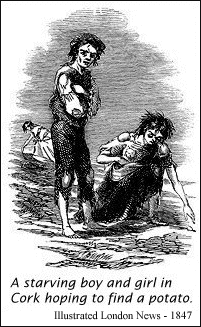
My next highest ranked problem is crop monocultures, specifically because they are a threat to the world's food supply.  Especially in the age of globalization, a pest or infection can spread to large portions of the world and wipe out crops.  The Potato Famine, beginning in 1845, killed over 1 million people and cause a 20% population drop in Ireland due to deaths and emigration.  A similar crop failure in China today would probably kill hundreds of millions.


The simplest response to this issue is to subsidize farmers who plant different strains of whatever crop they are growing.  Farmers are already subsidized in order to hep keep prices low, so nothing new infrastructure needs to be created to support it.  The conditions and amount paid out for subsidies will need to be adjusted.  This is by no means simple, as moving anything through a government, let alone multiple governments around the world, is complicated, but it's much simpler than the alternative.

The alternative is to encourage GMO producers to produce and sell multiple strains of seeds to farmers.  The largest GMO manufacturer in the world, Monsanto, had a net income of $2.3 Billion in 2015, which was it's smallest profit in the past three years.  GMO producers are very profitable, so it would probably be very expensive to convince them to put in the effort to create and/or market new strains.  Their goal is profit and if this diversifying strains isn't in their interest it won't happen.

  •  Drug resistant bacteria:
    1. Use less antibiotics medically
    2. Use less antibiotics in livestock farming
This is another problem that relates to our food supply, but in a different way than the last one.  This is not a threat to our food suppl, but a danger that is exacerbated by the way our food is produced.  Between factory farming and over-proscribing antibiotics are being used far to much.  This allows bacteria to develop resistances, making them harder to treat.  Resistant bacteria either require more powerful antibiotics, which cause more side effects for patients, or leave doctors to try to treat symptoms and hope the patients immune system is able to fight the infection off.  More drug resistant bacteria will lead to higher mortality rates for diseases that haven't been an issue in the industrialized world for decades.  I don't know that there is a solution to this, but we can try to slow the trend or increase the rarity of outbreaks.

The simplest answer for this problem is for doctors to proscribe antibiotics less often.  There are cases where they are necessary, but not every sickness needs a round of antibiotics.  Doctors (should) know that bacteria can develop resistances, so its just a question of reminding them that it is a danger on a regular basis.  Whether that reminder is in medical journals or conferences, it must be something that is priority for the medical community.  If it is a priority then doctors will take more time when deciding whether a patient does or does not need a round of antibiotics before prescribing.

The second is the harder of the two.  Most antibiotics in the US are used in livestock farming.  This makes it easier to keep large number of animal in close quarters without them constantly getting sick and dying.  Those antibiotics make their way into our meat and water supplies.  Free range livestock have less need of the large amount of antibiotics that factory farms do, but it is more expensive to raise livestock that way.  This would have to be a legislative action that cut or banned antibiotic use in livestock in order to work.  As I've said in the analysis of another solution, moving anything through multiple governments on a worldwide scale is very difficult to do.


  • Systems Security
    1. encryption
    2. "Air-gap" system architecture for sensitive systems
Much of our daily lives are in someway connected to computers whether it be electricity, money or our cars. That means that the security of those computers is of the utmost importance for the functioning of our society.
The easiest solution here is encryption.  If no one can read the information on a computer they can't make changes to it.  This doesn't mean that someone can't infiltrate a system, just that they wouldn't be able to read what they find there.  That does not mean they cannot still cause problems with that system though.  Encryption is more of a last line of defense for keeping sensitive information out of unauthorized hands than active security, but it's something that we are finding many sensitive systems still don't have. Sony Pictures was hacked last year, and lost information ranging from payroll, to scripts to executive e-mails.  The Federal Office of Personnel Management was hacked last year as well, loosing the information of over 21 million people.  Encryption would not have stopped either of these hacks, but it would have stopped the information that was retrieved from being usable. This is cheap and easy thing to implement, but these organizations didn't put in the effort and they have paid for it.

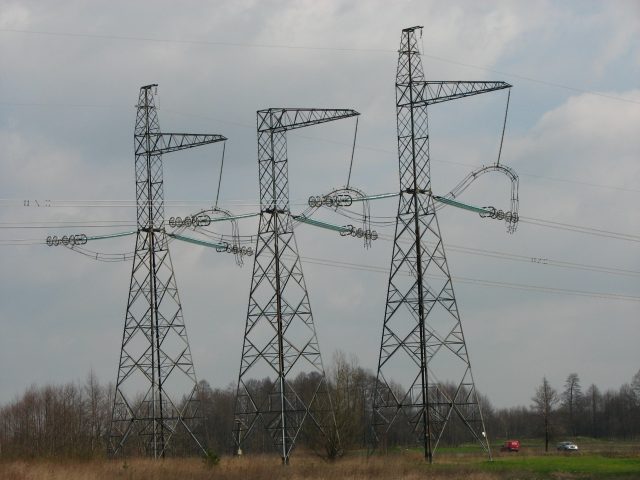
Harder to implement is keeping sensitive systems from being connected to outside networks, known as "air-gapping".  The reason this is so hard, is because organizations want to be able to keep track of systems over distance, and the easiest way to do that is to use existing Internet infrastructure.  There was an attack on the Israeli electric authority on Jan 26th, which would not have been possible if those systems were not on an open network.  The reason this is hard to implement is because the options are to only have access to system that are close physically close or to lay down cable/fiber to create private networks for organizations with sensitive systems.  Neither of these are convenient and laying cable/fiber is not cost effective if an organization isn't an Internet service provider.

  • Banking deregulation
    1. re-instate Glass-Steagall Act
    2. Break up large banks
Banking deregulation is a major issue in the US and because of how connect the world economy is, this causes problems for the rest of the world as well.  Banks are for profit enterprises, and therefore seek new ways to make profits.  The problem is that the US has been removing regulation from banks since the 90's and it resulted in banks being very risky, culminating in the housing crisis and Great Recession, which impacted markets around the world.

Neither of these solutions are easy as they have to move through goverment, but I think these easiest is The Glass-Steagall Act being reinstated.  There is already legislation there, it just has to be updated for modern banks and the risk of a similar recession is much lessened.

The next solution is to break up larger banks.  This is hard because no one knows how it would effect the banks.  All large banks owe and are owed money by other banks and the Federal Reserve.  This was why all banks were suddenly is such trouble when one large bank started to failed.  The web of debts and payments was so complex that a single large failure upset the entire system.  Breaking up the banks would keep this from happening in the future but it would require untangling that web, and finding a way for the resultant smaller banks to be viable with those debt spread between them.  That's before we even talk about the government action that would be required to make it happen, which would be difficult to say the least.

Wednesday, January 20, 2016

World's Biggest Problems

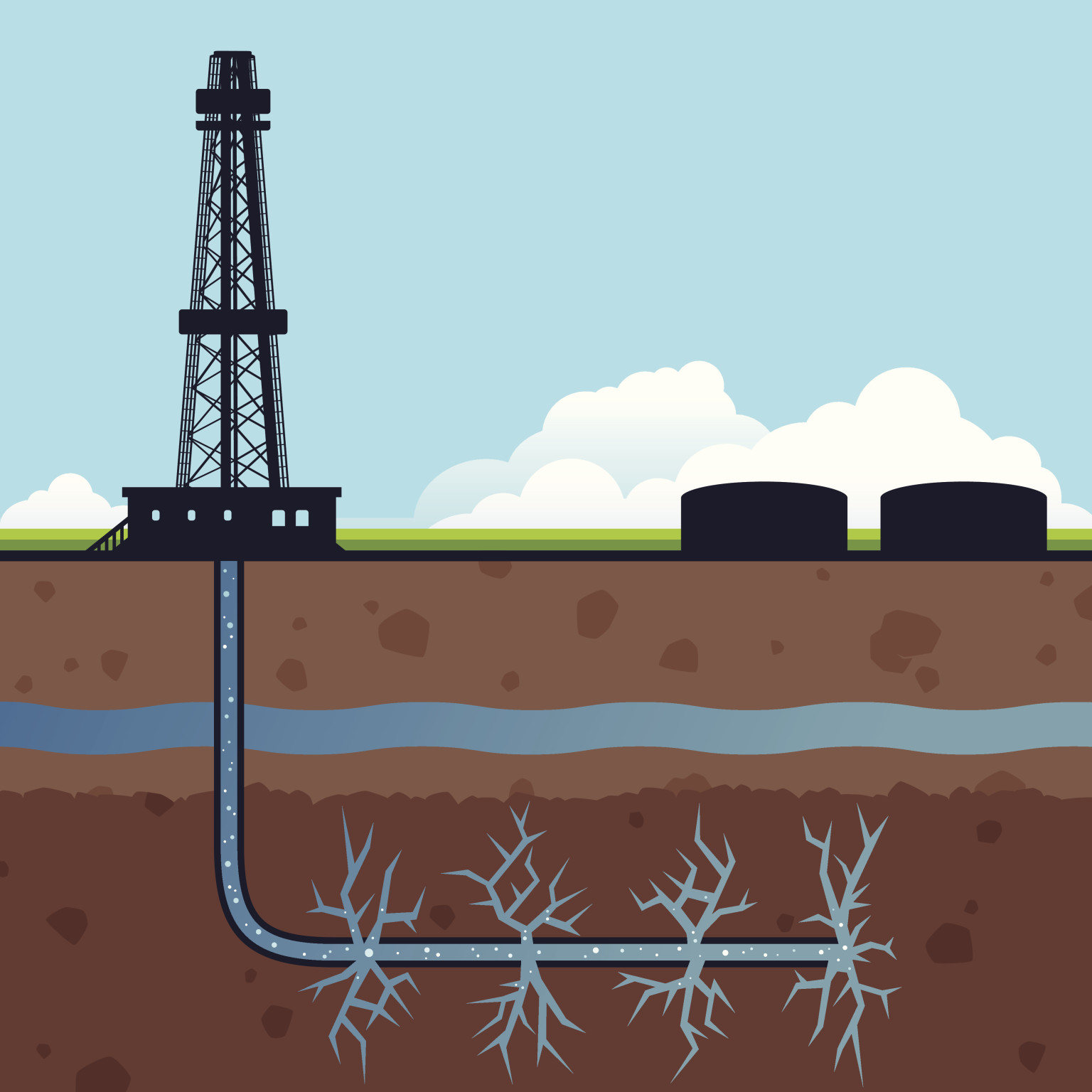
1. Industrial environmental effects:  I've worded this as environmental effects to encompass not only pollution, but also other effects of industrial activity, such as increased earthquakes due to fracking.  The largest impediment to the kind of regulation that could help mitigate the effects of industrial activity, is education.  If people don't understand the basics of how geology or weather/climate work, they have no reason to believe scientist to say there is an issue with CO2 emissions or geological instability due to oil exploration.  Without popular support, there is no reason for the status quo to change, and damage will continues to be done.


2. Fossil fuel dependence:  The world is dependent on oil to function at the level that it does.  This puts a vast amount of power in the hands of specific countries and corporations.  There is a economic danger today, based on an over saturation of oil in the market leading to low prices, which has many suppliers operating at a lose, or going bankrupt.  The most straight forward answer to this is more research spending on alternative energy sources and storage.  Whether it be nuclear, solar, wind or tidal, at some point we will run our of oil, and something else needs to be ready to take it's place.

3. Banking deregulation:  We saw 7 years ago what can happen when banking and investing are not regulation well enough.  A combination of bad loans, misclassification of those loans, and investments based on those those loans led to the near collapse of a number of banks, that would have paralyzed the US financial system, and by extension most of the world. That cannot be allowed to happen again.  We need regulations, and enough regulators to ensure they are being followed.

4. Drug resistant bacteria: Due to overuse of antibiotics both by doctors and in livestock, we're seeing the rise of drug resistant bacteria at an increasing rate. Stronger bacteria mean more death from sicknesses, that since the discover of penicillin, have been treatable.  The number one step to slowing or stopping this, is to cut down, if not eliminate antibiotics feed to livestock.  Those antibiotic are necessary for the industrial way that livestock is raised in the US, mean that producers would have to more free range approach to raising their livestock.  Prices would rise, but we would, hopefully, avoid the disaster of untreatable mutant bacterial strains.

5: Systems Security: Increasingly we hear about hacks of commercial and governmental systems. Sony Pictures, Target or the US Office of Personnel Management, they've all been victims in the past few years, and finding the perpetrators is very hard to do when they could be anywhere in the world. I think the biggest issue we have is trying to make these systems convenient as opposed to making them secure.   There is absolutely no reason anyone should have been able to access Government personnel records from an outside internet connection.  There are actually two solutions to this problem, either encryption, or keeping sensitive systems off of external networks.  The latter is more secure,but the former is easier to implement.  In both scenarios cost and training will be barriers to implementation, but the decrease in risk in the long term should be worth it.

6: Internet Access:  You need internet access to participate in the modern world. It is a source of information and communication, and those in the US and abroad who don't have access are at a disadvantage when compared to those who do.  The easiest way to expand access is probably to push the adoption of cheap durable smartphones. Less infrastructure needed to support mobile internet, and if service is reasonable priced, access can be expanded without lower income people needed expensive computers of laptops.

7: Crop Monocultures: This hasn't been a huge issue yet, but it could be in the near future.  We've seen the rapid increase in GMO crops, and they are great as far as crop yields and feeding people.  The issue is that those crops are now a huge proportion of what is being grown, and if some bacteria or pest develops a resistance to the plants inbred defenses, we could see large swaths or crops being destroyed.  That is a danger to the world food supply.  It probably need to be a policy in the US and abroad to subsidize farmers who grow a variety of crops.  It would make those who don't use GMOs more competitive, lessen the danger of crop die offs, and allow for more diversity in the diet of the population.

8: Low Funding for Space Exploration:  The US has almost given up on manned space exploration.  China is working to replicate the moon landings that the US executed almost 50 years ago.  The technology created to make space flight happen has long term benefits for humanity, and we've passed that off to other countries, who are racing to catch up, and private companies, that need to show profit or risk bankruptcy.  Government funded space exploration needs to be funded properly again, and given the freedom to make changes to overcome problems instead of adhering specifically to plans approved by congressmen who are not scientist.

9: Space Trash: It is increasingly difficult for Space mission to be planned because of the amount of junk that is now orbiting the Earth. We need a concerted effort to clean this up,or our communication satellites and space mission will be endangered.  In addition to the increase in space funding I think we need mission specially designed to remove this trash.  This junk is moving to fast to catch, but we know where most of it is, and how it's moving.  My suggestion would be alter it's trajectory to either knock it into the atmosphere  to burn up, or out of orbit away from the planet.  As long as relative speeds aren't to great, this should be to hard. A weighted net captures a dangerous piece a pulls in a way that degrades its orbit until it flies away or towards the planet.  Obviously there is more physics involved than I can account for here, but I have no reason to believe this couldn't work.

10: War in the Middle East:  Obviously this is a huge issue and has been since shortly after WWII. I think the easiest way to work on this, is for the US and Europe to stop being militarily involved.  Every time the US interferes it just furthers the narrative that we are evil occupiers set on taking over the reason.  As long as that is a narrative is popular we are only exacerbating the situation there and creating more supporters for violent factions in the region.

Thursday, January 14, 2016

My Entrepreneurship Story

My sister, Jamila, is a serial entrepreneur, if not a successful one.  Jamila is constantly coming up with new ideas, whether it's board games to teach children about money, or a trying to start a property management business.  It's inspiring that she not only has these ideas, but follows through to try to make them a reality.  From seeing her ideas that didn't work out, I seen that a major danger for any enterprise is to much optimism in planning.

Planning is a good thing, but it can be overdone.  That is what I see happening with my sister, her plans are so specific that she can't adapt if something goes wrong.  She sacrifices flexibility, in her enterprises, and that seems to be a major contributor to them not working.  Large businesses can be, and sometimes need to be, rigid in their workings A new business, on the other hand, needs flexibility in order to deal with unexpected losses, where a larger one would be able to absorb them.

I'm hoping that this class will help me to be able to more effectively create entrepreneurial plans.  I have the exact opposite problem from my sister, I prefer to do very little planning beforehand.  One of the things I do at work is code macros for any spreadsheets we use, some of which are somewhat complex.  My code works, but because I don't plan it out beforehand its usually not as efficient as it could be. If that is translated into non-programming enterprises, sacrificing efficiency for flexibility can be every bit as dangerous as a lack of flexibility can be.

Introduction

My name is Kamil and I am a business major. I grew up in Maryland, but moved to Florida in 2001.  Due in part to my general hatred of snow, I have not moved backed.

Currently I am I manager at a movie theater, and have been for the past 7 years.  Until digital projectors became the standard, I also trained projectionist  at several theaters in Central Florida and the Panhandle.  Since digital projection is much less complicated than film, I no longer need to train at other location, and only handle projection at my own theater.
I like movies, and would like to keep working with them in some form, but theater work is not where I'd like to end up.  If possible I'd like to use a business degree to move to the distributor side of the industry.

ps- If you haven't seen Star Wars yet, its really good.