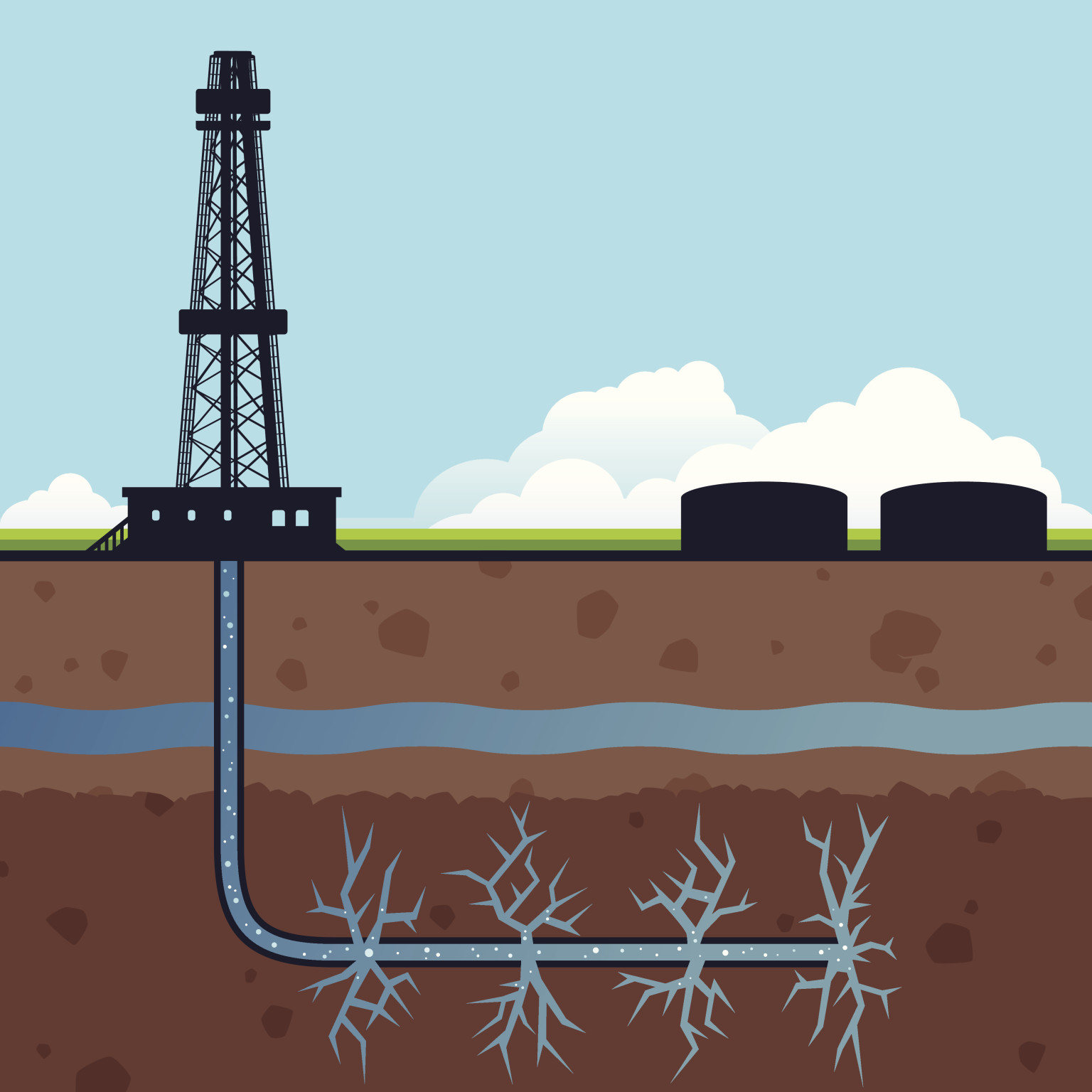
2. Fossil fuel dependence: The world is dependent on oil to function at the level that it does. This puts a vast amount of power in the hands of specific countries and corporations. There is a economic danger today, based on an over saturation of oil in the market leading to low prices, which has many suppliers operating at a lose, or going bankrupt. The most straight forward answer to this is more research spending on alternative energy sources and storage. Whether it be nuclear, solar, wind or tidal, at some point we will run our of oil, and something else needs to be ready to take it's place.
3. Banking deregulation: We saw 7 years ago what can happen when banking and investing are not regulation well enough. A combination of bad loans, misclassification of those loans, and investments based on those those loans led to the near collapse of a number of banks, that would have paralyzed the US financial system, and by extension most of the world. That cannot be allowed to happen again. We need regulations, and enough regulators to ensure they are being followed.
4. Drug resistant bacteria: Due to overuse of antibiotics both by doctors and in livestock, we're seeing the rise of drug resistant bacteria at an increasing rate. Stronger bacteria mean more death from sicknesses, that since the discover of penicillin, have been treatable. The number one step to slowing or stopping this, is to cut down, if not eliminate antibiotics feed to livestock. Those antibiotic are necessary for the industrial way that livestock is raised in the US, mean that producers would have to more free range approach to raising their livestock. Prices would rise, but we would, hopefully, avoid the disaster of untreatable mutant bacterial strains.
5: Systems Security: Increasingly we hear about hacks of commercial and governmental systems. Sony Pictures, Target or the US Office of Personnel Management, they've all been victims in the past few years, and finding the perpetrators is very hard to do when they could be anywhere in the world. I think the biggest issue we have is trying to make these systems convenient as opposed to making them secure. There is absolutely no reason anyone should have been able to access Government personnel records from an outside internet connection. There are actually two solutions to this problem, either encryption, or keeping sensitive systems off of external networks. The latter is more secure,but the former is easier to implement. In both scenarios cost and training will be barriers to implementation, but the decrease in risk in the long term should be worth it.
6: Internet Access: You need internet access to participate in the modern world. It is a source of information and communication, and those in the US and abroad who don't have access are at a disadvantage when compared to those who do. The easiest way to expand access is probably to push the adoption of cheap durable smartphones. Less infrastructure needed to support mobile internet, and if service is reasonable priced, access can be expanded without lower income people needed expensive computers of laptops.
7: Crop Monocultures: This hasn't been a huge issue yet, but it could be in the near future. We've seen the rapid increase in GMO crops, and they are great as far as crop yields and feeding people. The issue is that those crops are now a huge proportion of what is being grown, and if some bacteria or pest develops a resistance to the plants inbred defenses, we could see large swaths or crops being destroyed. That is a danger to the world food supply. It probably need to be a policy in the US and abroad to subsidize farmers who grow a variety of crops. It would make those who don't use GMOs more competitive, lessen the danger of crop die offs, and allow for more diversity in the diet of the population.
8: Low Funding for Space Exploration: The US has almost given up on manned space exploration. China is working to replicate the moon landings that the US executed almost 50 years ago. The technology created to make space flight happen has long term benefits for humanity, and we've passed that off to other countries, who are racing to catch up, and private companies, that need to show profit or risk bankruptcy. Government funded space exploration needs to be funded properly again, and given the freedom to make changes to overcome problems instead of adhering specifically to plans approved by congressmen who are not scientist.

9: Space Trash: It is increasingly difficult for Space mission to be planned because of the amount of junk that is now orbiting the Earth. We need a concerted effort to clean this up,or our communication satellites and space mission will be endangered. In addition to the increase in space funding I think we need mission specially designed to remove this trash. This junk is moving to fast to catch, but we know where most of it is, and how it's moving. My suggestion would be alter it's trajectory to either knock it into the atmosphere to burn up, or out of orbit away from the planet. As long as relative speeds aren't to great, this should be to hard. A weighted net captures a dangerous piece a pulls in a way that degrades its orbit until it flies away or towards the planet. Obviously there is more physics involved than I can account for here, but I have no reason to believe this couldn't work.
10: War in the Middle East: Obviously this is a huge issue and has been since shortly after WWII. I think the easiest way to work on this, is for the US and Europe to stop being militarily involved. Every time the US interferes it just furthers the narrative that we are evil occupiers set on taking over the reason. As long as that is a narrative is popular we are only exacerbating the situation there and creating more supporters for violent factions in the region.

No comments:
Post a Comment